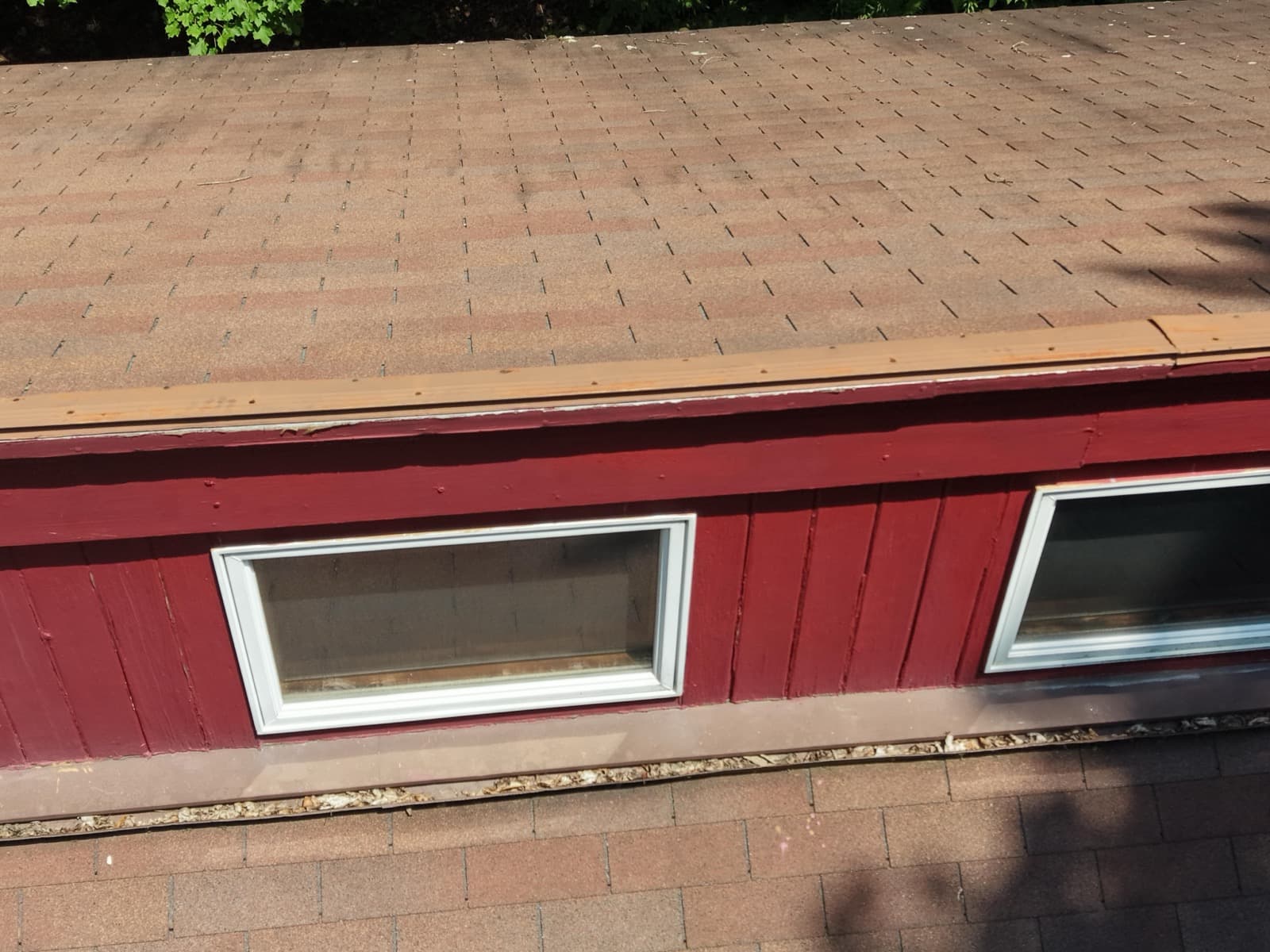
CT ceiling leaks usually show up during heavy rain, wind-driven storms, or a thaw after snow sits on the roof. If water is staining drywall, dripping through a light, or making the ceiling bubble, slow down and protect the room before you worry about shingles. The goal is to keep people safe, limit interior damage, and gather enough photos so a roofer can trace the leak from the roof side. This is the right place if you need calm next steps before the stain spreads.
Photo-documented CT roof quote
Get Your CT Roof Quote
Licensed CT HIC.0703927 · In writing · 1-year in-house leak warranty on repairs.
Get Free Roof Quote →First 10 minutes inside the house
- Move people away from the wet area. A soaked ceiling can sag. Keep kids and pets out of the room until the drip slows and the drywall is checked.
- Turn off power near the leak if water is close to lights, outlets, or fans. Use the breaker panel. Do not touch a wet fixture.
- Protect floors and furniture. Put a bucket under the drip. Move rugs, electronics, framed photos, and upholstered furniture out of the splash zone.
- Take photos before cleanup. Photograph the ceiling stain, the drip, the room, and any damaged belongings. If you contact your carrier, they decide coverage, and photos help show what happened.
- Relieve a bulge only if it is safe. If the ceiling is swelling with water, place a bucket under the lowest point and make a small hole with a screwdriver. Do not cut a large opening.
After the room is safe, send photos through a written roof quote request. A clear photo of the ceiling plus an outside photo of the roof slope can save time.
Signs the ceiling damage is from a roof leak
- The stain grows during rain. Roof leaks often get worse during steady rain, wind-driven rain, or snow melt. Plumbing leaks may keep dripping even after the weather clears.
- The stain sits below an exterior wall, chimney, valley, vent, or roof slope. Water can travel before it shows inside, but these locations are common paths from the roof into the ceiling.
- You see brown rings or yellow edges. Roof water can carry dirt, shingle grit, and wood staining through the attic before it reaches drywall.
- The attic has damp insulation or dark roof decking above the room. If you can check the attic safely, use a flashlight. Do not step between joists or onto wet insulation.
- The leak follows wind direction. A storm from one side can push water under damaged shingles, loose flashing, or an exposed nail head.
- The room below is not near a bathroom or supply line. If the stain is under a tub, toilet, shower, or pipe chase, call a plumber too. Some ceiling stains are not roof related.
If you are unsure, schedule roof inspection help in Connecticut before opening more drywall. Guessing from the room alone can miss the real entry point.
Common roof sources on CT shingle homes
Most roof-side ceiling leaks on Connecticut asphalt shingle homes come from a small number of weak spots. The inside stain may be in the living room, bedroom, or hallway, but the roof problem can sit several feet uphill from where water appears.
- Missing shingles. Wind can lift or remove shingles, leaving underlayment exposed. Once water gets past that layer, it can follow decking seams into the attic.
- Nail pops. A raised nail can create a small opening under a shingle. It may not look dramatic from the ground, but it can leak during wind-driven rain.
- Roof valleys. Valleys move a lot of water. Debris, damaged shingles, or poor flashing can send water under the shingle edge.
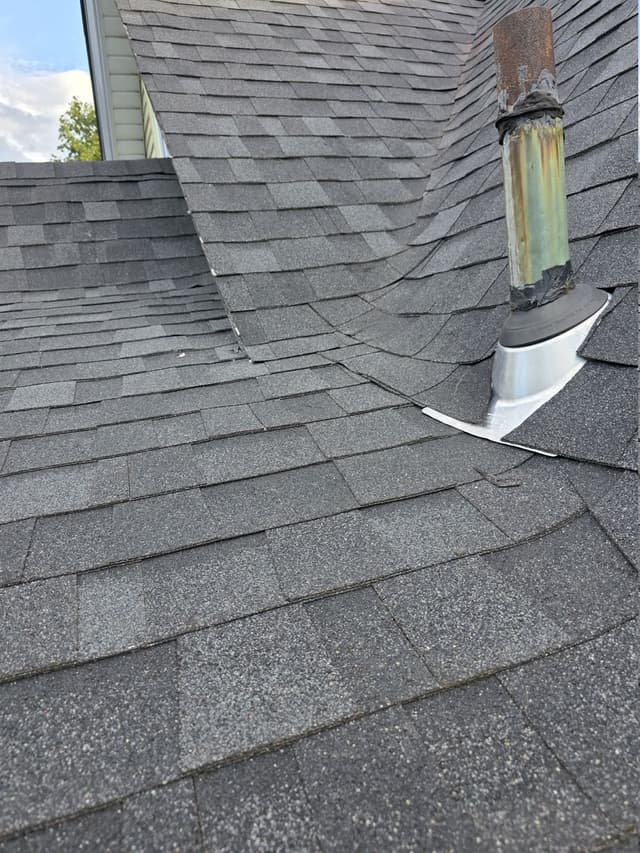
- Pipe boots and roof vents. Rubber boots can crack with age. Vent flashing can loosen. Both can leak into ceilings near bathrooms, kitchens, or laundry areas.
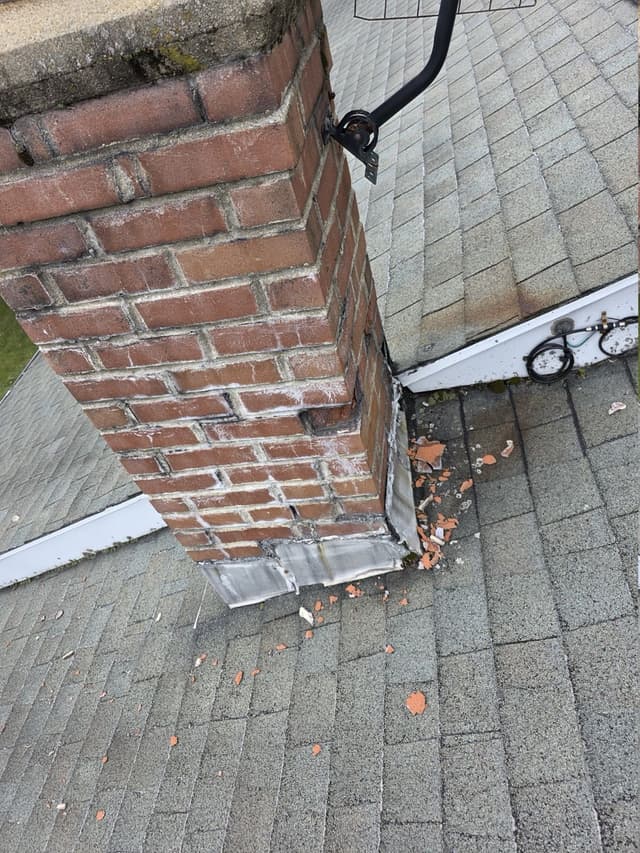
- Chimney flashing. A chimney has several flashing joints. Cracked sealant, loose step flashing, or worn counterflashing can cause a ceiling stain near the chimney side of the house.
- Ice dam edges. During CT winter cycles, meltwater can refreeze at the eaves and push water under shingles. Stains near exterior walls often follow this pattern.
Trust Proof Roofing works on asphalt shingle roofs. If the issue is within repair scope, a roof repair in Connecticut may solve the leak. If the roof is older and damage is spread across several slopes, the next step may be a replacement review.
Two details worth checking for leaks
Separate project examples show a chimney junction and a vent-pipe flashing assembly. A photograph alone cannot confirm where water entered. Project locations are stated only where verified; other-town photographs illustrate the repair topic.
What not to do before the roof is checked
- Do not climb onto a wet roof. Wet shingles, moss, frost, and steep slopes are a bad mix. A ceiling leak is not worth a fall.
- Do not cut a large ceiling hole. A small drain hole can release trapped water. A large opening can damage framing, wiring, insulation, and the room below.
- Do not smear store-bought coating over shingles. Tar, caulk, and roof cement can hide the real leak path. They can also make a proper shingle repair harder.
- Do not install a tarp unless you understand the risk. A tarp can help in the right situation, but nails, boards, or foot traffic can add damage. Take photos first. Ask your insurance carrier how they want temporary protection documented.
- Do not throw away damaged items before photos. Keep records of the ceiling stain, wet insulation, buckets, and damaged belongings if you plan to call your carrier.
Repair or replacement: the next step
A good leak check starts with the pattern: where the water showed inside, what the weather was doing, roof age, shingle condition, and the most likely roof entry points. A localized leak near one pipe boot, one missing shingle area, or one flashing joint may be a repair. Trust Proof Roofing repair work carries a 1-year in-house leak warranty on the repaired area.
Replacement enters the conversation when the roof has widespread shingle wear, repeated leaks, brittle shingles, sagging areas, or several failing details at once. Roof replacement is a larger decision, so you should see the scope in writing before you commit. Trust Proof Roofing replacements include an in-house 20-year leak warranty.
If your ceiling leak may be storm related, you can document the roof damage with photos and a written scope. Your carrier decides coverage. For roof work, start with storm damage roof documentation or send the leak details through the CT roof quote form.
Frequently Asked Questions
How do I know if my ceiling damage is from a roof leak?
Ceiling damage is more likely from a roof leak if it gets worse during rain, sits below a roof slope, or lines up with a chimney, valley, vent, or exterior wall. Check the attic safely with a flashlight. Damp insulation, dark roof decking, or daylight near a roof penetration can point to a roof-side leak.
Can putting a tarp on my roof void my insurance?
Your insurance carrier decides policy questions, so ask them before anyone nails or straps a tarp to the roof. Temporary protection can help limit damage, but poor tarp work can create new holes or hide the leak source. Take photos before and after any temporary protection.
How fast should I act if I notice water stains on my ceiling?
Act the same day you notice a wet stain, drip, or ceiling bubble. You do not need to panic, but water can damage drywall, insulation, paint, flooring, and electrical fixtures. Protect the room, photograph the damage, and request a roof check before the next heavy rain.
How can I tell if a weather related claim is covered under my insurance policy?
Read your policy and call your insurance carrier. They decide what is covered, what your deductible is, and what documentation they need. A roofer can document visible roof damage with photos and a written scope, but the carrier makes the coverage decision.
How often should I check my policy details?
Check your policy at renewal and after major home changes, such as a roof replacement or renovation. Keep a copy where you can find it during storm season. If you are unsure about exclusions, deductibles, or reporting steps, ask your carrier before a leak happens.
Is insurance required for these types of roof services?
No. Homeowners can pay for roof leak repair or replacement without opening an insurance claim. Insurance may become part of the conversation after storm damage, but it is not required to request a written roof quote or schedule an inspection.
If water is inside your ceiling, send photos before the stain spreads. Trust Proof Roofing is a licensed CT contractor, HIC.0703927, based in Suffield. Tenzin and our team will review the roof problem, document what we see, and put the next step in writing. Repairs carry a 1-year in-house leak warranty, and replacements carry an in-house 20-year leak warranty.
Photo-documented CT roof quote
Get Your CT Roof Quote
Licensed CT HIC.0703927 · In writing · 1-year in-house leak warranty on repairs.
Get Free Roof Quote →For a ceiling leak on an asphalt shingle roof, start with documentation and a clear roof-side check. If the next step is repair, visit roof repairs from Trust Proof Roofing and send the photos that show what changed inside your CT home.
The stain is inside, but the source is on the roof. When you are ready, our guide to fixing a roof leak and the leak repair service page pick up where this one ends, from a licensed CT roofing contractor.