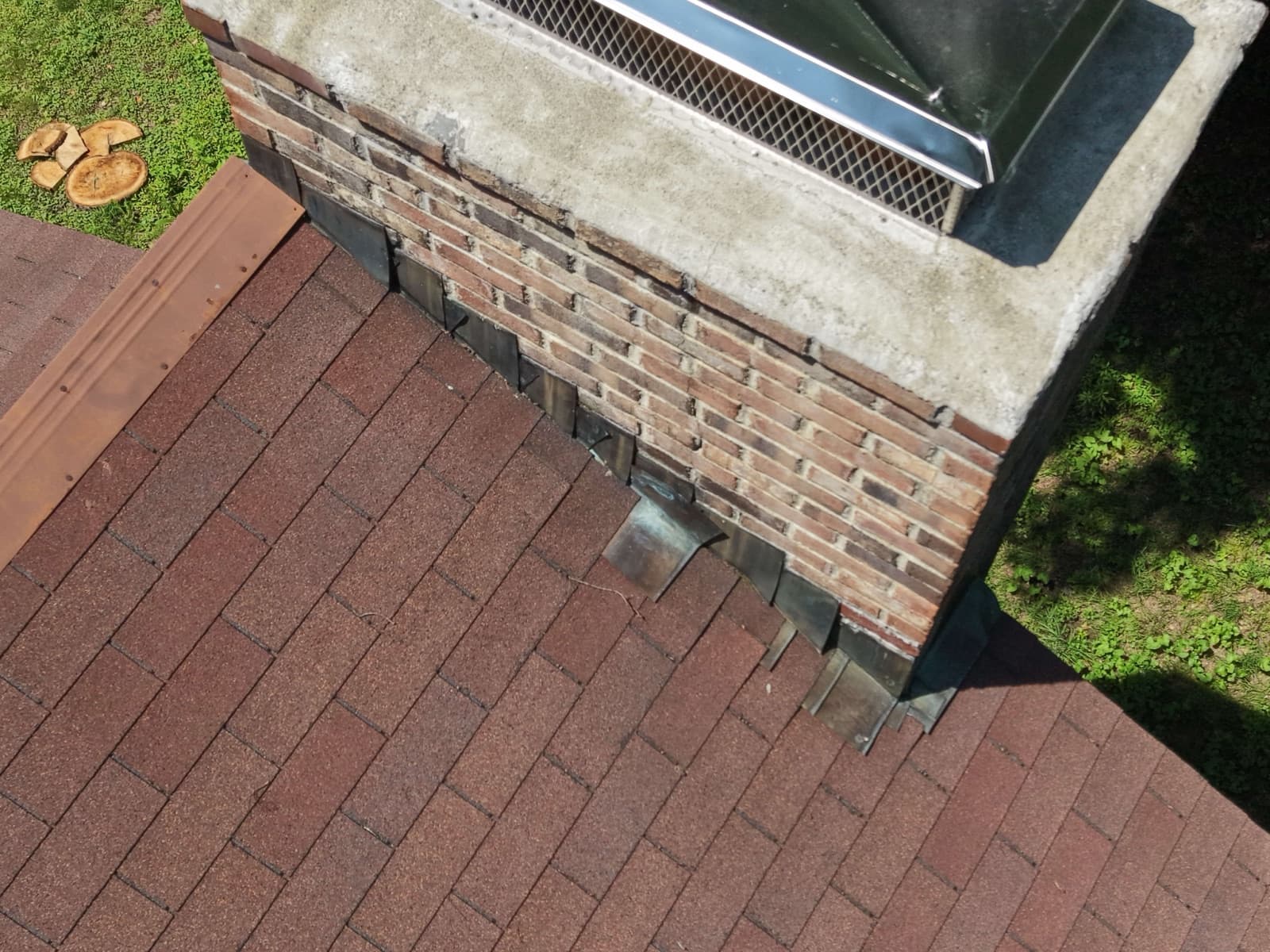
Ask a roofer whether to repair or replace and sooner or later someone mentions the 25 percent rule. Here is what it actually means, where it comes from, and how we apply it on Connecticut roofs.
The rule in plain words
If more than about a quarter of your roof needs work, patching stops making financial sense and replacement usually wins. The logic is simple: repairs are priced per problem area, and once damage spreads past that point, you are paying repair prices over and over for a roof that is telling you it is done.
Some states write a version of this into their building codes for storm-damaged roofs. Connecticut leaves it as a judgment call, which means the honesty of the contractor doing the assessment matters more here, not less.
How we run the math with you
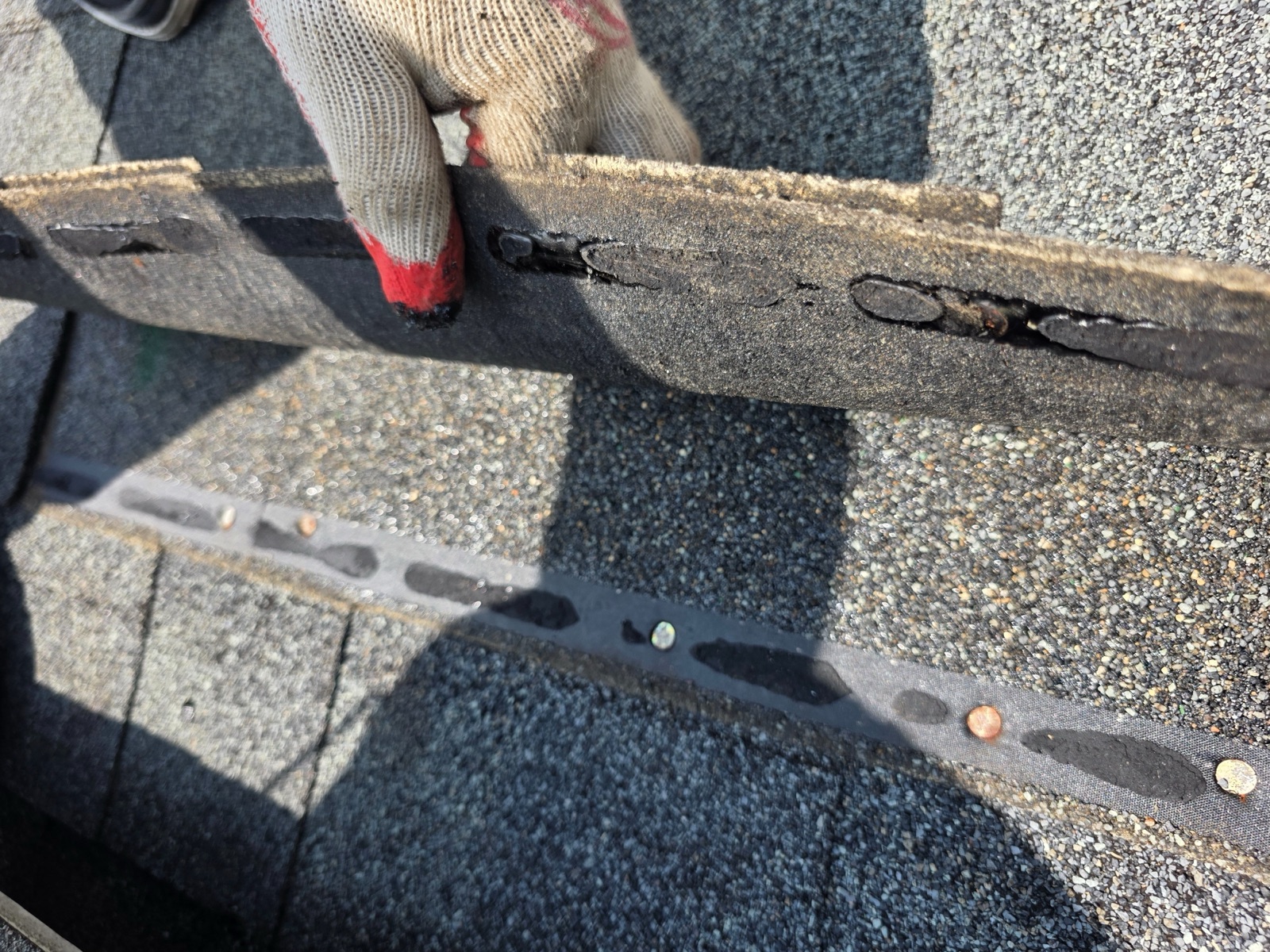
- Under roughly 25 percent affected, roof under 15 years old: repair it. Small CT repairs run $400 to $600 with a 1-year leak-proof warranty.
- Over 25 percent affected, or a roof past 20 years: replacement usually costs less over the next ten years than chasing leaks. Most CT homeowners pay $9,000 to $18,000 for a full replacement, per Angi and Fixr.com 2026 data.
- In between: it depends on the decking, the flashing, and how much life the shingles have left. That is exactly what an inspection is for.
The trap on both sides
Some contractors quote a replacement for every water stain because it is the bigger ticket. Others happily sell you a fourth repair on a roof that needed replacing two leaks ago. Both cost you money. The 25 percent rule is the guardrail: it forces the repair-or-replace question to be about the roof, not the invoice.
We put our answer in writing either way, and we say repair when repair is the right call even though it is the smaller job. More on the decision math in repair vs replacement and current pricing on the repair cost page.
Find out which side of the line your roof is on
If you are weighing a bigger repair, book a genuine free 3D drone inspection. We measure the whole roof, show you exactly how much of it is affected, and give you a written number for both paths. Then the 25 percent rule does the deciding, not a sales pitch.