How can the source of a roof leak be located?
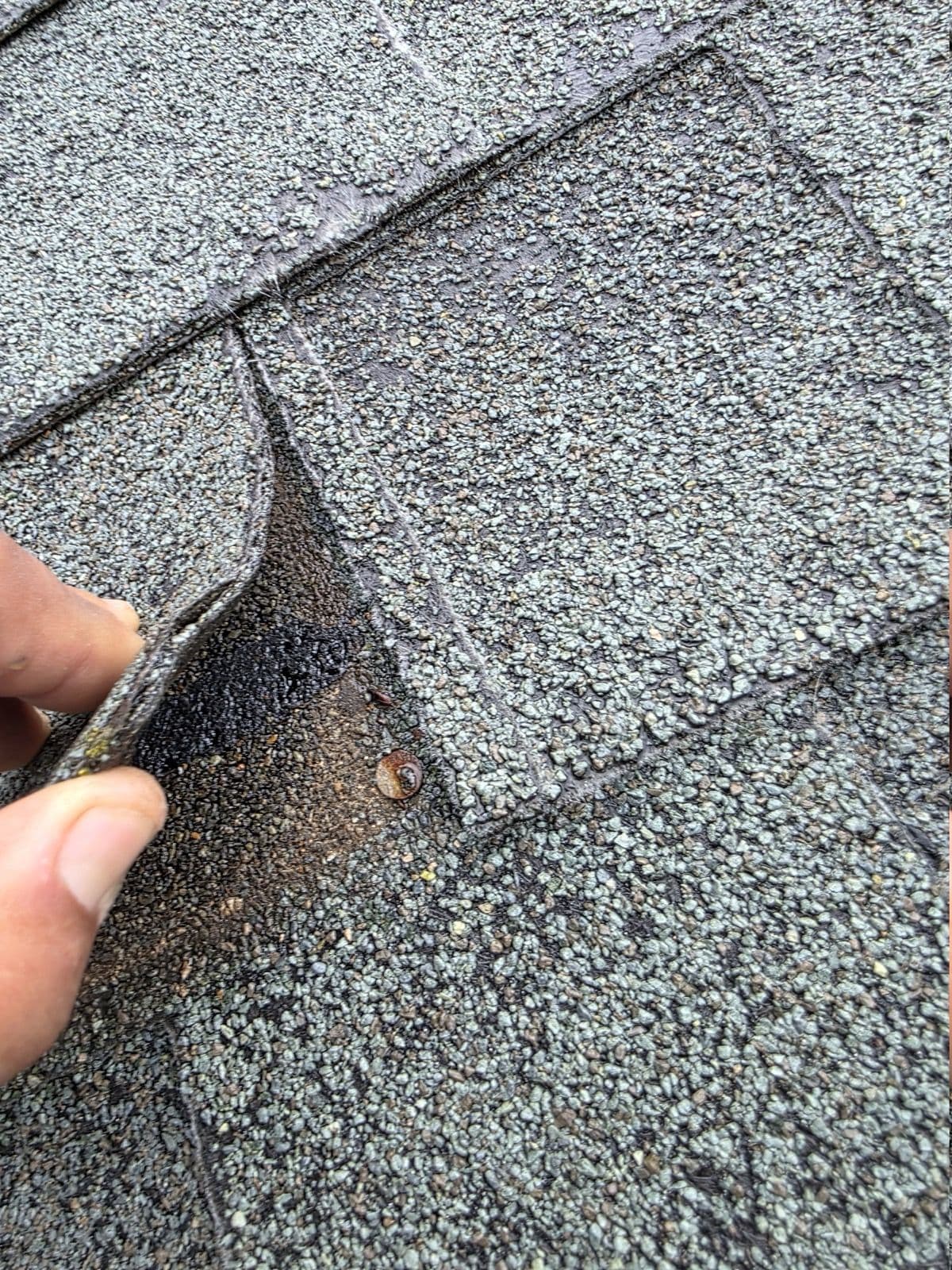
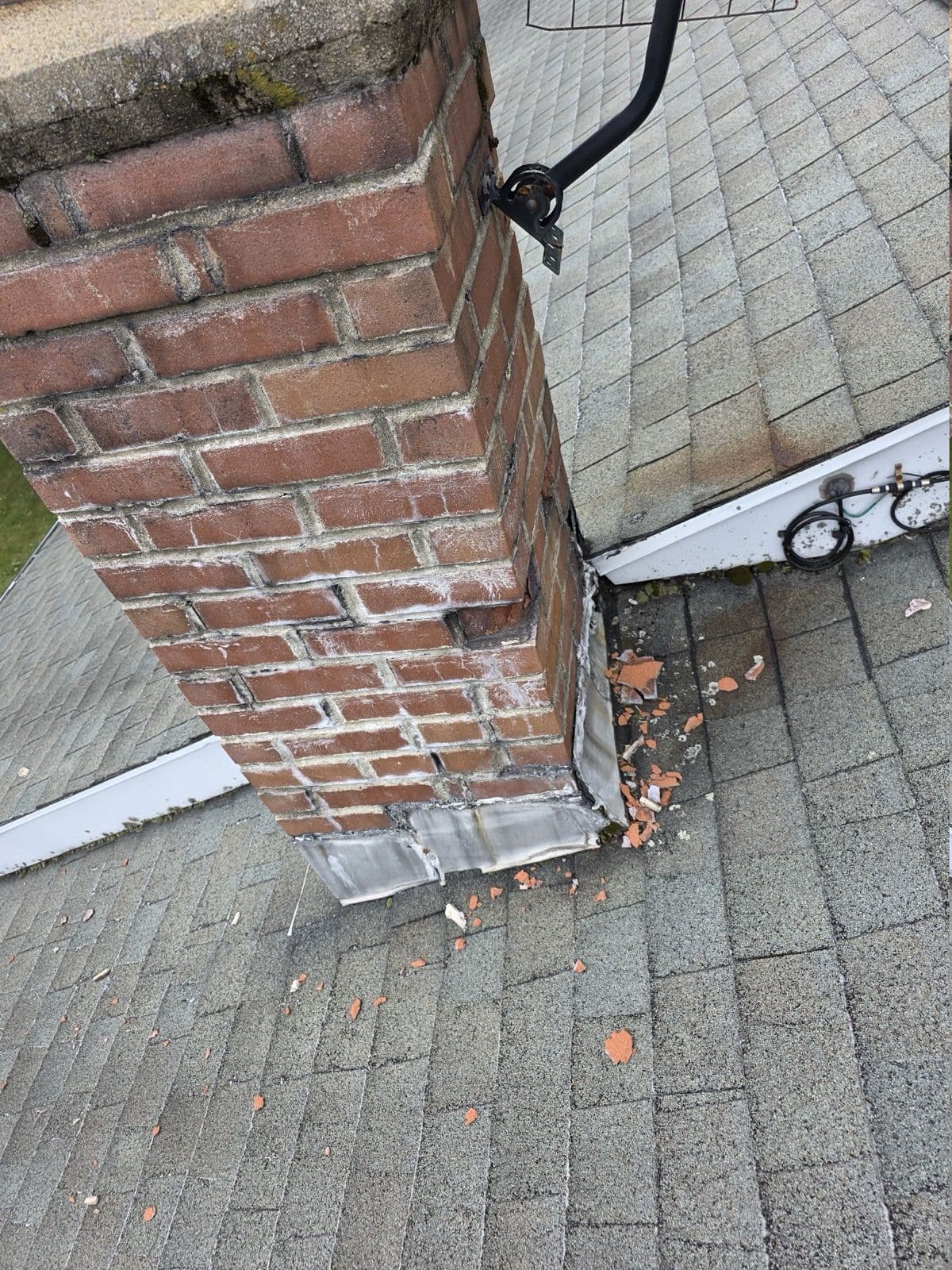
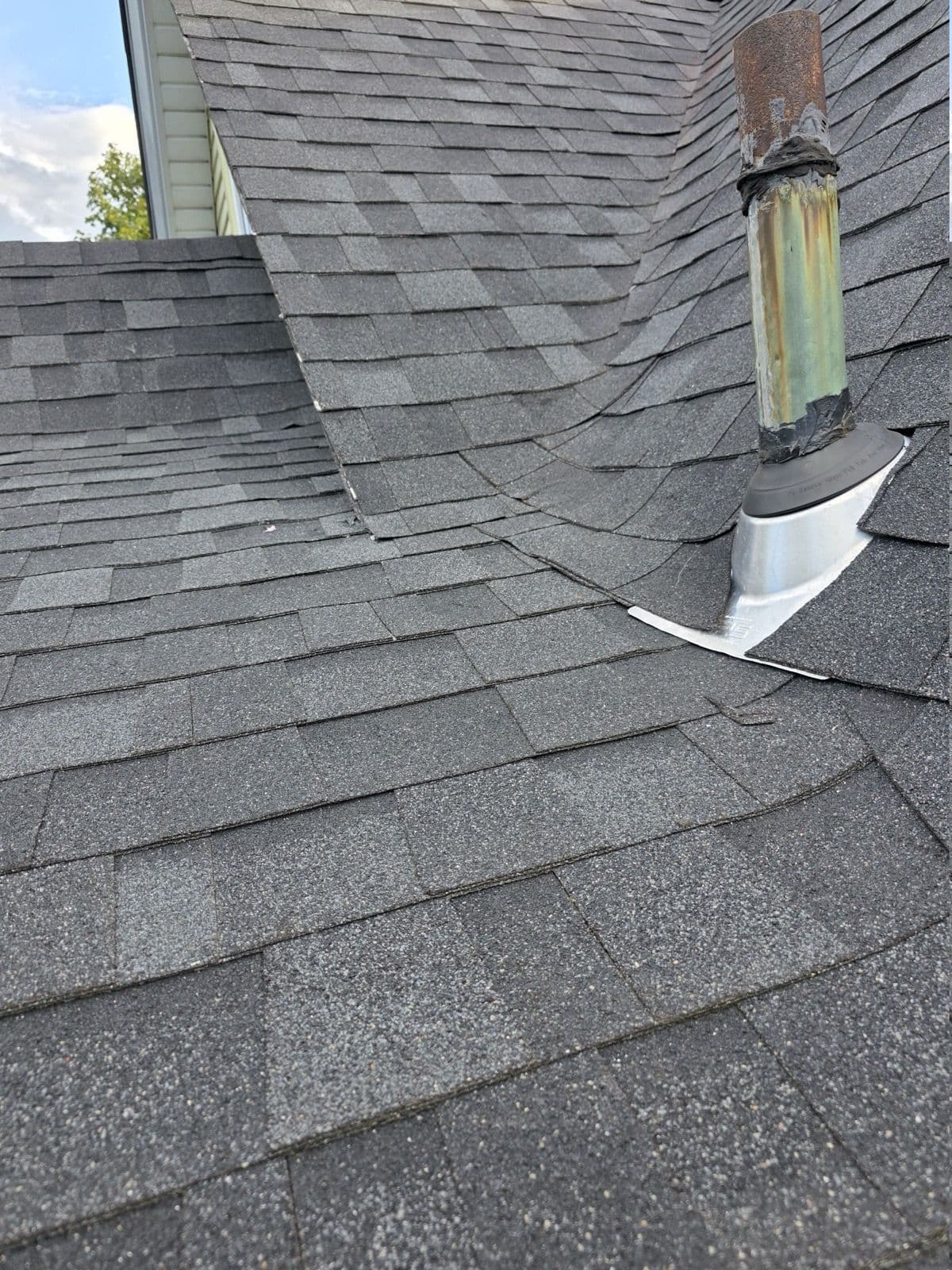
The ceiling stain is a starting point, not a reliable map of the outside defect. Water can travel before it becomes visible.
Useful clues include the first wet location, the delay after rain starts, wind direction and whether nearby plumbing was used. We compare that history with the roof covering, transitions and accessible interior evidence; a 3D exterior view cannot see through the assembly.
Keep a simple rain-and-drip record and provide photos taken from safe locations. Do not open a wet ceiling or enter an unsafe attic to trace the water yourself. Tell us about earlier repairs even if their purpose is uncertain.
The written scope should identify what evidence supports the suspected entry point, what can be repaired and what remains concealed. Opening an area or controlled diagnostic work may be necessary and should be agreed before proceeding. A repair at the stain alone can miss the source.
IKO: finding roof leaks
Question index and related guidance →Is a ceiling stain caused by roofing, plumbing or condensation?
Not every stain is a roof leak. Rain-related entry, a plumbing leak and condensation can need different trades and different repairs.
Tell us whether water appears during rain, after using a bathroom, or in cold weather without rain. We look for a consistent explanation instead of selling roofing work solely because a ceiling is discolored. An old dry stain also differs from active moisture.
Keep the affected area clear and record the conditions when it becomes wet. Do not touch wet electrical fixtures or remove finishes to investigate. If plumbing use clearly triggers the problem, arrange a plumber as well as any roofing assessment that remains necessary.
We explain the limits of a roof inspection and identify when another assessment is needed. Roofing scope does not automatically include plumbing, insulation, ventilation upgrades, mold remediation or interior restoration. Separate causes may coexist, so a roof repair alone is not a universal cure.
IKO: repair or replacement signs
Question index and related guidance →How are leaks on flat or low-slope roofs assessed and repaired?
The roof system must be identified before a repair method is chosen. A low slope is not enough information to select a patch or coating.
For a residential roof or addition, we assess accessible seams, penetrations, edge details and drainage and confirm the material. Wet insulation or concealed damage can extend beyond the visible opening. We do not assume every low-slope system falls within our repair scope.
Provide existing roof records or product information if available, and tell us about ponding visible from a safe position. Stay off the surface and do not apply a generic coating to an unidentified membrane.
After assessment we confirm whether we can perform a compatible localized repair or whether a specialist is needed. Access, system identification, drying and the extent of damaged layers influence price and scheduling. Commercial-building roofing and universal membrane repair promises are outside this offer.
Carlisle SynTec: roof systems and building-owner assessment resources
Question index and related guidance →What can cause a metal roof to leak?
Metal roof leaks may involve a penetration, joint or attachment detail rather than the panel field. The particular system matters.
We distinguish standing seam and exposed-fastener arrangements and look at the reported symptom, accessible junctions and prior repairs. A fastener adjustment is not a substitute for diagnosing an incorrectly detailed transition. Concealed conditions may require specialist review.
Share the roof-system name or installer records if you have them. Do not walk the panels or add incompatible sealant. A surface that looks dry can still be slippery, and panel damage from foot traffic can create another problem.
We confirm repair capability after identifying the system and detail. A localized repair proposal should state the material compatibility, extent of dismantling and limitations. It is not a commitment to refinish the entire roof, repair every metal product or replace it automatically.
Metal Construction Association: standing-seam roof penetrations
Question index and related guidance →